Thirumullaivoyal, Chennai



Why Your Workshop Needs a 5th Axis Table
Eliminate Multiple Setups: Machine five sides of a part in one clamping. This alone can reduce machining time by 60% or more and dramatically improve accuracy by removing cumulative errors from re-fixturing.
Unlock Complex Geometries: Produce parts with undercuts, complex contours, and organic shapes that are simply impossible—or prohibitively expensive—with 3-axis milling.
Use Shorter, More Rigid Tools: By tilting the workpiece, you can maintain a perpendicular tool approach, allowing for shorter tool extensions. This reduces vibration, enables higher feed rates, and improves surface finish and tool life.
Future-Proof Your Capabilities: Adding 5-axis capacity makes your workshop competitive for high-value contracts in sectors like aerospace, automotive prototyping, and energy, where complexity is the norm.
The 3 Main Types of 5th Axis Configurations: Which One Fits Your Work
| Configuration | How It Works | Best For / Pros | Limitations / Cons |
|---|---|---|---|
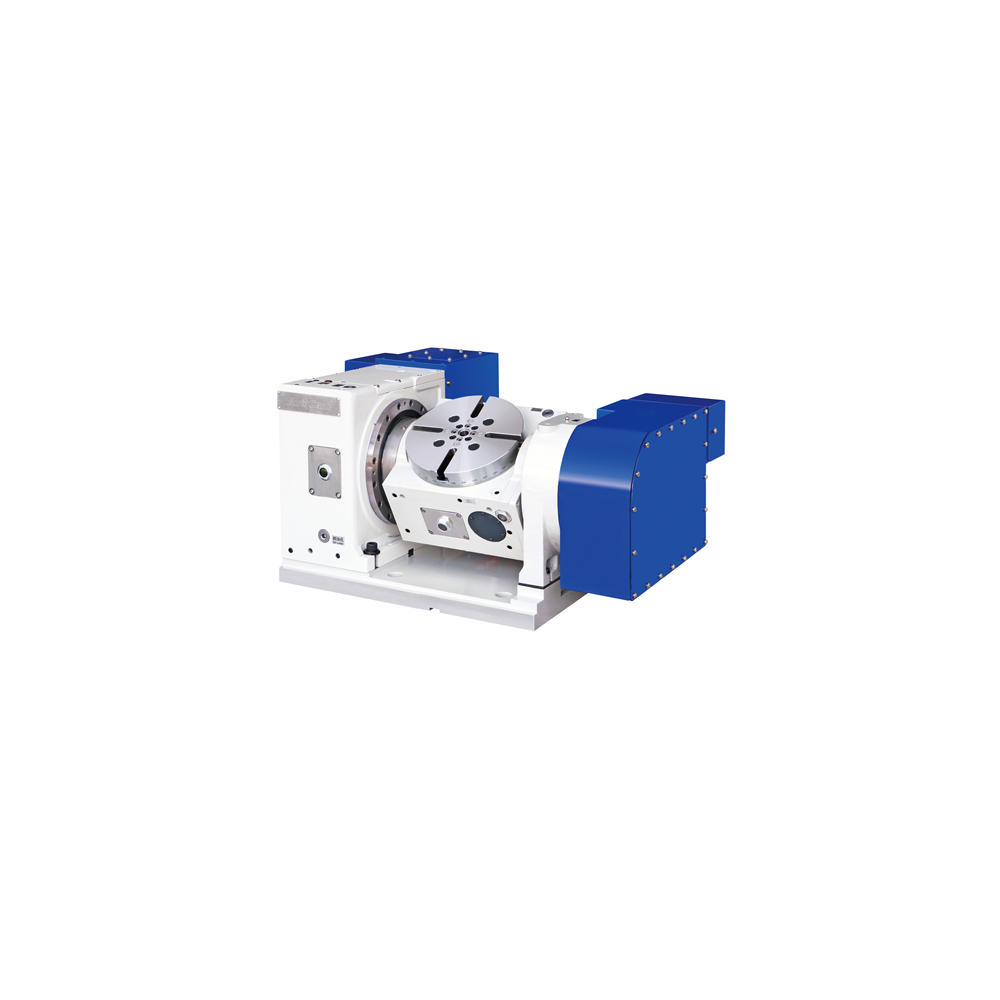
| 1. Trunnion Style | The table itself has two integrated axes (A-axis tilts, C-axis rotates). The workpiece sits on the tilting table. | Small to medium parts (typical). Excellent stiffness and accuracy. Simplifies tool path programming as the tool center point (TCP) remains fixed. | Limited by table’s load capacity and tilt range. The tilting mechanism can reduce the available work envelope under the spindle. |
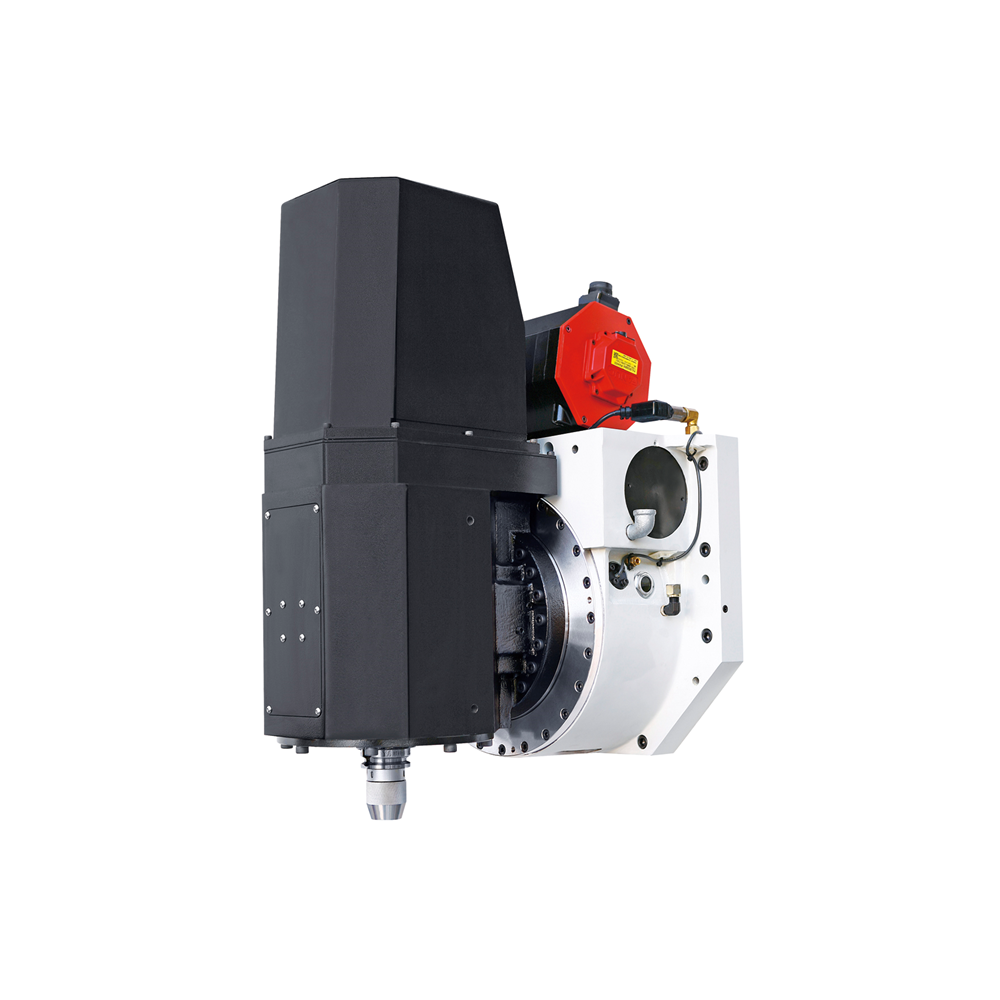
| 2. Rotary Head / Tilting Spindle | The rotary axes are attached to the machine spindle. The workpiece remains stationary on the table. | Large, heavy parts. Ideal for milling large molds or structural components where the part weight exceeds what a tilting table can support. | The moving spindle can be less rigid than a trunnion, potentially affecting accuracy on heavy cuts. More complex TCP management. |
| 3. Hybrid/Table-Table | Combines a tilting table (A-axis) with a rotary table (C-axis) on the machine bed. Offers exceptional flexibility. | Workshops needing to handle a wide variety of part sizes and geometries. Provides a large, flexible work zone. | Higher cost. Requires a larger machine footprint and more sophisticated calibrati |
For most job shops starting their 5-axis journey, a high-quality trunnion-style table (like Autocam’s AT Series) offers the best balance of rigidity, accuracy, and ease of use.
The 5-Point Technical Checklist Before You Buy
- Accuracy & Backlash: The Heart of Precision
- What to Look For: Specifications for positioning accuracy (e.g., ±3 arc-seconds) and repeatability (e.g., ±1 arc-second). Crucially, demand details on backlash—the “slop” or lost motion when reversing direction.
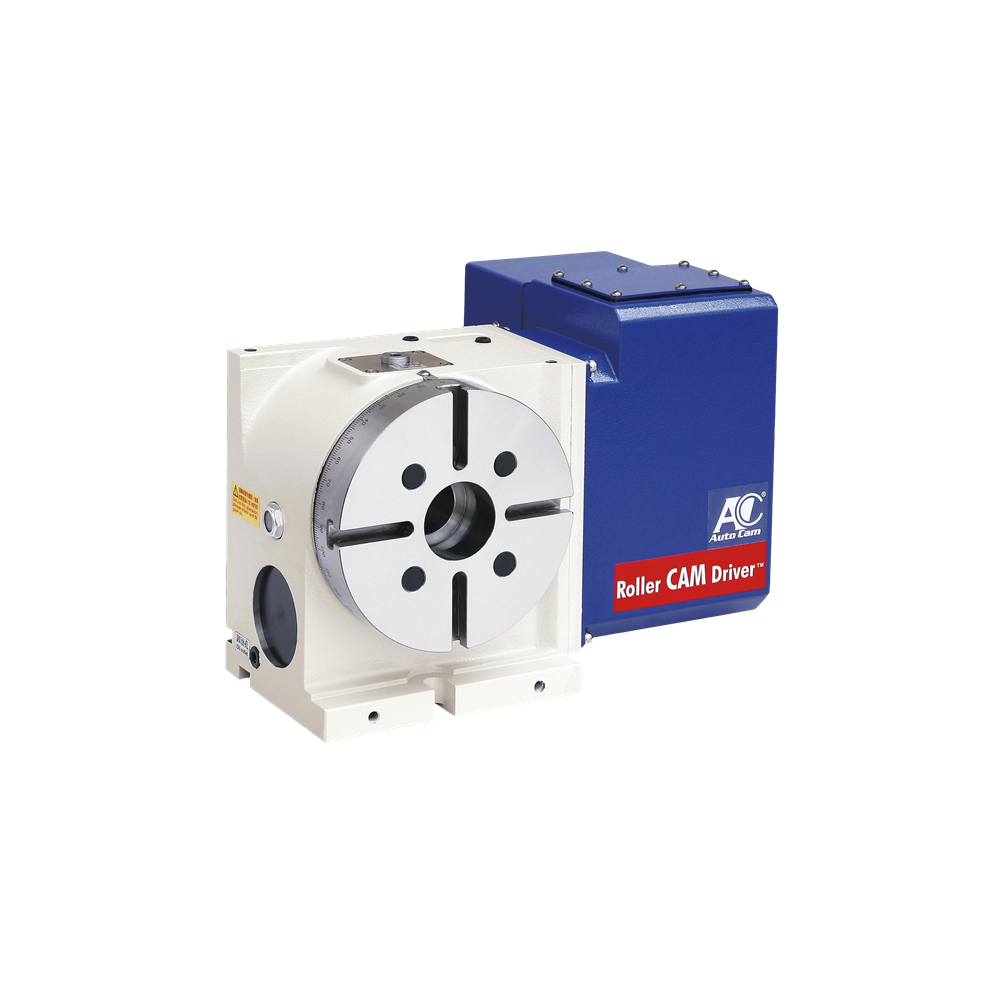
- Why It Matters: For precision parts, especially in aerospace or medical fields, near-zero backlash is mandatory. Ask if the manufacturer uses pre-loaded gears, direct drives, or patented systems like a Roller CAM Driver to actively eliminate backlash. Never accept “minimal” as a specification.
- Load Capacity & Rigidity
- What to Look For: The maximum dynamic and static load rating. Don’t just consider part weight—include your vise, chuck, and fixture.
- Why It Matters: Exceeding the load capacity compromises accuracy and accelerates wear. Rigidity (stiffness) is equally important; a stout, cast-iron construction dampens vibration for better surface finishes on tough materials like titanium or Inconel.
- Speed and Duty Cycle
- What to Look For: Maximum rotational speed (RPM) and the continuous duty cycle rating.
- Why It Matters: High-speed indexing (50+ RPM) is vital for productivity. If you run high-volume batches, ensure the table is rated for continuous production without overheating. Ask about integrated cooling systems.
- Control System Compatibility & Integration
- What to Look For: Plug-and-play compatibility with your machine’s CNC control (e.g., Fanuc, Siemens, Heidenhain, Haas). This is a major potential “gotcha.”
- Why It Matters: Seamless integration means full functionality (like TCP, tool center point management) works out of the box. Verify the supplier provides the correct drivers, cables, and a certified post-processor for your CAM software (e.g., Mastercam, Fusion 360).
- Workspace & Machine Interference
- What to Look For: The physical dimensions of the table and its full range of motion (e.g., A-axis: ±110°, C-axis: 360° continuous).
- Why It Matters: You must ensure the table fits on your machine bed and that, through its full tilt and rotation, it does not collide with your machine’s spindle, column, or guards. Always request a 3D model or detailed diagram for a virtual fit-check.

Beyond the Machine: The Hidden Factors for Success
- Supplier Support & Training: Does the manufacturer offer comprehensive on-site installation, calibration, and operator training? Can their engineers help with initial programming challenges?
- Service & Warranty: What is the length and coverage of the warranty? Is there a network of local service technicians, and what is the typical availability of critical spare parts? Downtime is your biggest enemy.
- Software & Post-Processing: The most precise table is useless without the correct software. Confirm that a proven, reliable post-processor is included to translate your CAM toolpaths into flawless machine code.
An Investment in Your Shop’s Future
Choosing the right 5th Axis CNC table is a strategic decision that elevates your workshop’s capability, quality, and market competitiveness. By moving beyond basic specifications and focusing on integration, support, and how the table will perform with your specific parts, you make an informed investment that will pay dividends for years to come.
Ready to Evaluate Specific Models for Your Shop?
Our technical team at Autocam Engineering specializes in matching our industry-leading, zero-backlash 5th Axis Rotary Tables to the unique needs of workshops across India. We provide detailed compatibility analysis, live demos, and full integration support to ensure your success.
Contact us today for a free, no-obligation consultation.